Selecting the Most Trusted Arborist in San Diego
Reasons to Hire Professional Tree Services for a Better Landscape
Preserving a healthy landscape necessitates more than just basic care. Expert tree services provide expertise and advanced tools to the table, ensuring trees prosper in their environment. Their understanding can prevent common pitfalls connected to DIY methods. By recognizing tree biology and environmental requirements, these specialists improve both aesthetics and safety. Yet, the advantages reach beyond mere appearance. Investigating these benefits reveals deeper consequences for overall ecosystem health.
Why Professional Tree Service Companies Matter
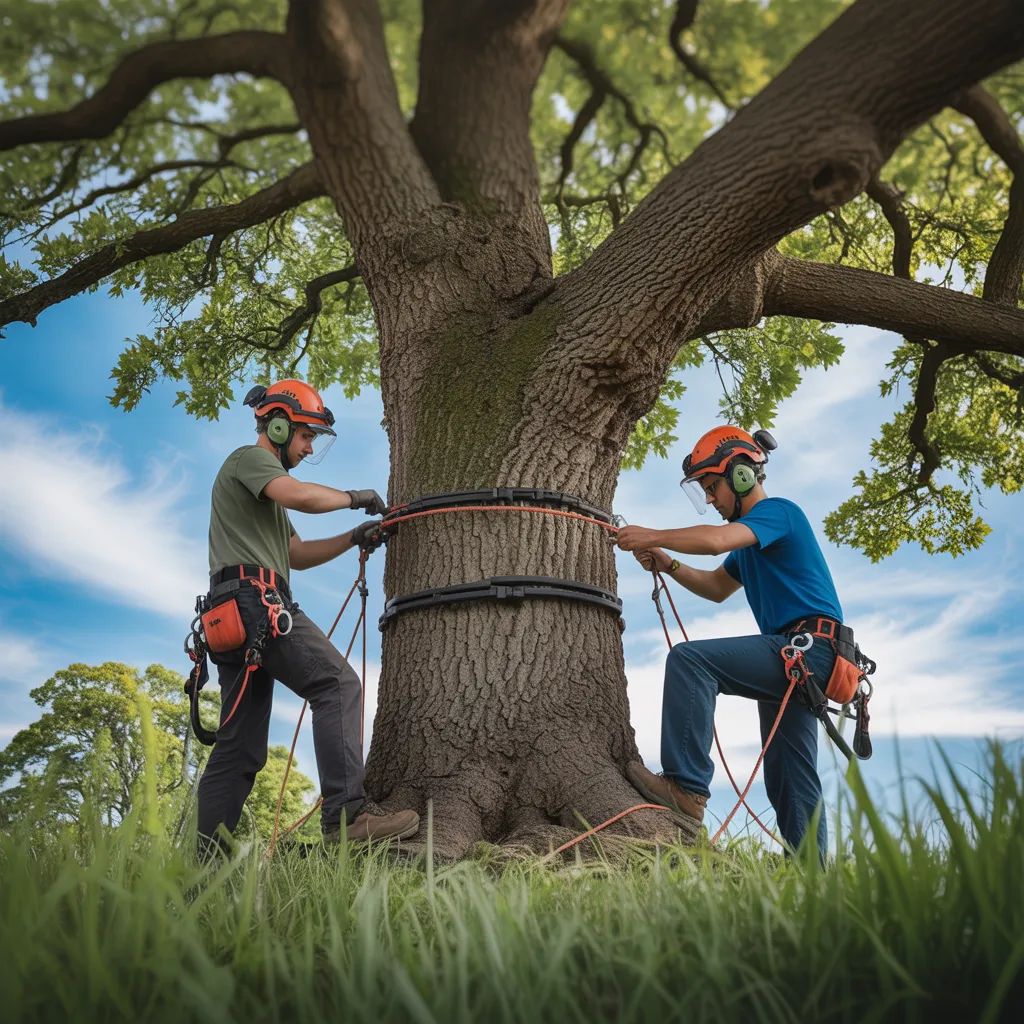
While several homeowners may consider managing tree care themselves, enlisting professional tree services proves vital for maintaining a healthy landscape. Professionals offer a wealth of expertise and skill that can greatly enhance the health of trees and nearby vegetation. Their comprehension of different tree species, growth patterns, and common diseases enables them to identify issues correctly and implement effective solutions.
Furthermore, professional tree services make use of specialized equipment that might not be accessible to the average homeowner. This equipment ensures that tasks such as pruning, trimming, and removal are performed in a safe and efficient manner, decreasing the risk of injury or property damage. Moreover, professionals are trained in best practices for tree care, making certain that trees are cared for in a manner that promotes longevity and vitality. Finally, engaging professional tree services not only preserves time and effort but also encourages a more vibrant and resilient landscape for homeowners to enjoy.
Understanding the Value of Tree Health
Tree health is vital for preserving a lively landscape, as it directly shapes scenic beauty and environmental balance. Proper disease prevention strategies and appropriate pruning techniques are vital for ensuring trees flourish and remain resilient against threats. Understanding these aspects can bring about healthier trees and, thus, a healthier ecosystem.
Tree Disease Control and Prevention
Upholding the health of trees is vital for any flourishing landscape, as even a single infected tree can threaten the life force of its surroundings. Tree disease prevention involves proactive measures that shield trees from destructive pathogens and pests. Regular inspections by professionals can recognize early signs of distress, facilitating timely intervention. Techniques such as proper watering, mulching, and maintaining soil health can enhance tree immunity. Moreover, employing integrated pest management strategies reduces the likelihood of infestations. By focusing on tree health through preventive care, property owners can create a resilient ecosystem that supports not only the trees but also the numerous organisms that depend on them. Engaging professional tree services guarantees that trees remain healthy and resilient for years to come.
Appropriate Cutting Methods
Proper pruning techniques serve a vital function in maintaining the health and longevity of trees. Correct pruning encourages healthy growth by cutting away dead or diseased branches, which can shelter pests and diseases. It also improves air circulation and sunlight penetration, significant factors for a tree's vitality. Additionally, strategic pruning shapes the tree, enhancing its structural integrity and minimizing the risk of branch failure. Professional tree services are equipped with the knowledge and tools to perform precise cuts, guaranteeing minimal damage to the tree. They recognize the specific needs of different species and the optimal times for pruning, optimizing recovery and growth. By implementing expert pruning techniques, homeowners can cultivate a thriving landscape that brings value and beauty to their property.
Typical DIY Tree Care Mistakes You Should Avoid
Numerous homeowners begin DIY tree care with the best intentions, however several common mistakes can undermine their efforts. One typical error involves improper watering; overwatering or underwatering can bring about root rot or dehydration, respectively. Moreover, many individuals neglect to research the specific requirements of their tree species, causing insufficient care.
A frequent error involves utilizing inappropriate equipment for tree care, creating improper cuts or trauma to the tree. Neglecting to properly check for pests and diseases likewise poses a substantial risk, as early detection is essential for management.
Furthermore, many homeowners overlook the value of safety gear, failing to use safety equipment while carrying out tree work. Finally, excessive pruning can be harmful, as it may eliminate essential foliage and undermine the tree. Avoiding these common pitfalls can lead to healthier trees and a more beautiful landscape.
How Quality Pruning Transforms Landscape Appearance
Proper pruning serves as an important technique in enhancing landscape aesthetics, altering the look of trees and shrubbery. By cutting away dying or excessive limbs, qualified tree specialists can considerably elevate the condition and visual related information charm of the foliage. Strategic trimming promotes even development, letting trees and shrubs to preserve a symmetrical form that fits the encompassing area.
Moreover, well-pruned plants can reveal their innate charm, exposing intricate branching patterns and vibrant blooms that could otherwise go unnoticed. This thorough attention to detail not only elevates the whole landscape design but also creates a more welcoming atmosphere for property owners and guests alike.
Furthermore, strategic pruning can improve light penetration and air circulation within the landscape, supporting thriving plants and a more vibrant ecosystem. In the end, proper pruning is a crucial aspect of landscape maintenance, contributing to a more well-maintained and aesthetically pleasing outdoor space.
Avoiding Tree-Related Risks on Your Property
Caring for trees involves more than aesthetics; safety represents a fundamental concern for residential property owners. Neglecting trees can lead to hazards that pose risks to both property and individuals. Certified tree professionals perform an important function in locating and minimizing these threats. Trained arborists assess tree health and structural integrity, ensuring that potential threats are addressed proactively.
Regular inspections can stop situations like branches falling or trees being uprooted, most notably during storms. Additionally, experts can suggest appropriate tree placements, minimizing interference with electrical lines and buildings. They also give guidance on species selection, preferring varieties that are more resistant to disease or structural failure.
Detecting Common Tree Hazards on Your Property
Identifying tree hazards on a property is essential for ensuring safety and health in the landscape. Homeowners should carefully examine for leaning trees, which may suggest instability, as well as any dead or dying foliage that signals potential issues. Additionally, examining root damage can expose underlying problems that may compromise tree health and pose risks to surrounding structures.
Tilted Trees Examination
Trees that lean can present serious risks to property and personal safety, making their inspection an essential aspect of landscape management. When trees lean excessively, they may signal structural weaknesses or root instability, increasing the risk of falling during storms or high winds. Property owners should regularly examine their trees for signs of leaning, particularly after heavy rainfall or strong winds, as these conditions can worsen the problem. Professional tree services employ specialized techniques to evaluate the health of leaning trees, offering insights into potential risks. They can recommend remedial actions, such as cabling or bracing, to stabilize the tree or, if necessary, recommend safe removal. Proper inspection guarantees a safer landscape and protects investments in property and surroundings.
Lifeless or Decaying Leaves
Signs of dead or dying foliage can indicate core concerns influencing the health of trees on a property. Discoloration, wilting, or premature leaf drop are common indicators of stress and potential disease. Trees may also exhibit dieback, where branches begin to decline, frequently caused by environmental factors or pest infestations. Residents should remain alert to these signs, as they can result in additional decline if left unaddressed. Additionally, dead branches create hazardous conditions, especially during storms or high winds. Utilizing expert tree care providers can offer specialized diagnosis and restoration solutions to restore tree health. Identifying and addressing dead or dying foliage early is essential for maintaining a vibrant landscape and stopping threats that might harm surrounding plants or property.

Root Damage Assessment
Although numerous property owners value the visual appeal of trees, they often neglect the significance of assessing root health, which serves a critical function in the complete stability and vitality of the landscape. Root damage can lead to significant hazards, including tree instability and potential property damage. Standard markers of root difficulties encompass observable breaks in the soil, angled trees, and off-color foliage. Property owners must remain alert to these indicators, since they could represent damaged root structures caused by illness, insects, or ecological pressure. Expert arborist companies can perform comprehensive root damage evaluations, offering specialized knowledge in detecting fundamental issues and suggesting suitable remedies. This proactive approach helps guarantee a healthier landscape and reduces the risk of dangerous tree failures.
How Tree Care Services Promote Biodiversity and Ecosystem Health
As urbanization and environmental changes threaten natural habitats, professional tree services play an essential role in fostering biodiversity and strengthening ecosystem wellness. These services ensure correct management and maintenance of trees, which are essential to native wildlife. Thriving trees supply nourishment, refuge, and breeding habitats for various species, including birds and insects.
Furthermore, tree services actively participate in habitat restoration, cultivating native species that promote ecological balance. By overseeing tree health and controlling disease, these professionals help maintain the resilience of urban forests, permitting them to withstand environmental stressors.
Moreover, tree services participate in education and advocacy, raising awareness about the importance of trees in carbon sequestration and air quality improvement, further benefiting the ecosystem. In the end, their expertise cultivates a thriving environment that supports wide-ranging plant and animal life, demonstrating the inherent connection between tree health and overall ecosystem importance.
Popular Questions
How Often Should Tree Services Be Scheduled for Maintenance?
Specialists advise scheduling tree services at least once a year for maintenance. However, according to tree species, age, and local climate conditions, more frequent visits may be helpful to guarantee ideal health and growth.
What Qualifications Are Important When Selecting a Tree Service Company?
When choosing a tree service company, one should consider insurance coverage, certifications, experience, and client testimonials. Moreover, validating compliance with industry standards and securing written estimates can guarantee excellence and dependability in their services.
Do Tree Services Carry Insurance and What's Covered?
Most reliable tree services hold insurance, which typically includes coverage for liability for worker injuries and property damage. This coverage makes certain that clients are shielded from financial burden in the event of accidents throughout tree care services.
How Can I Assess Whether a Tree Service Is Credible?
To determine if a tree service is reputable, one should check for licensing, insurance, customer feedback, and professional affiliations. Additionally, requesting multiple quotes can offer insights into their credibility and quality of service.
How Much Should You Expect to Pay for Professional Tree Services?
The average cost of professional tree services typically ranges from $200 to $1,500, determined by factors such as tree size, location, and service type. Property owners should get multiple quotes to ensure quality service and fair pricing.